Overview

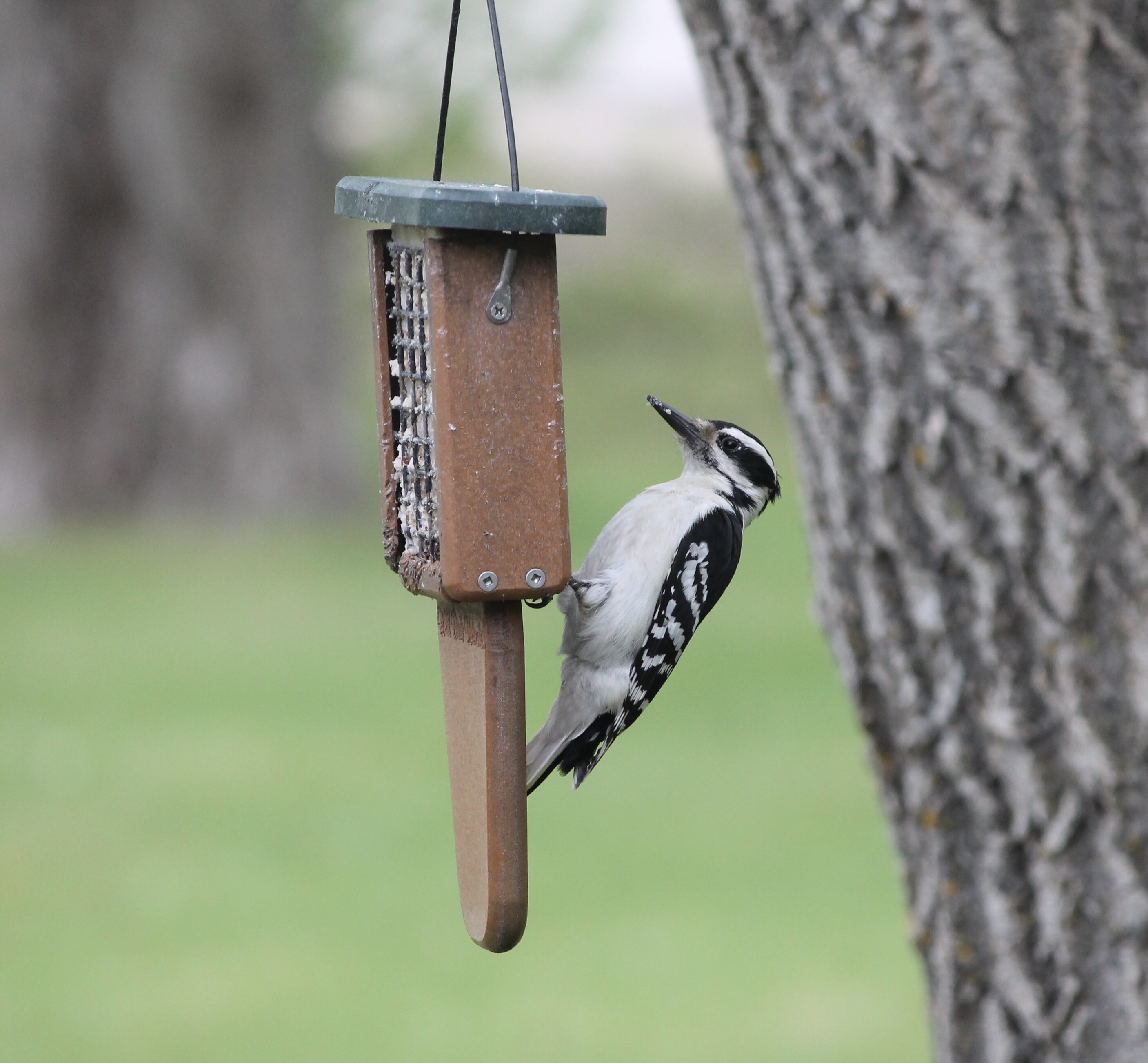
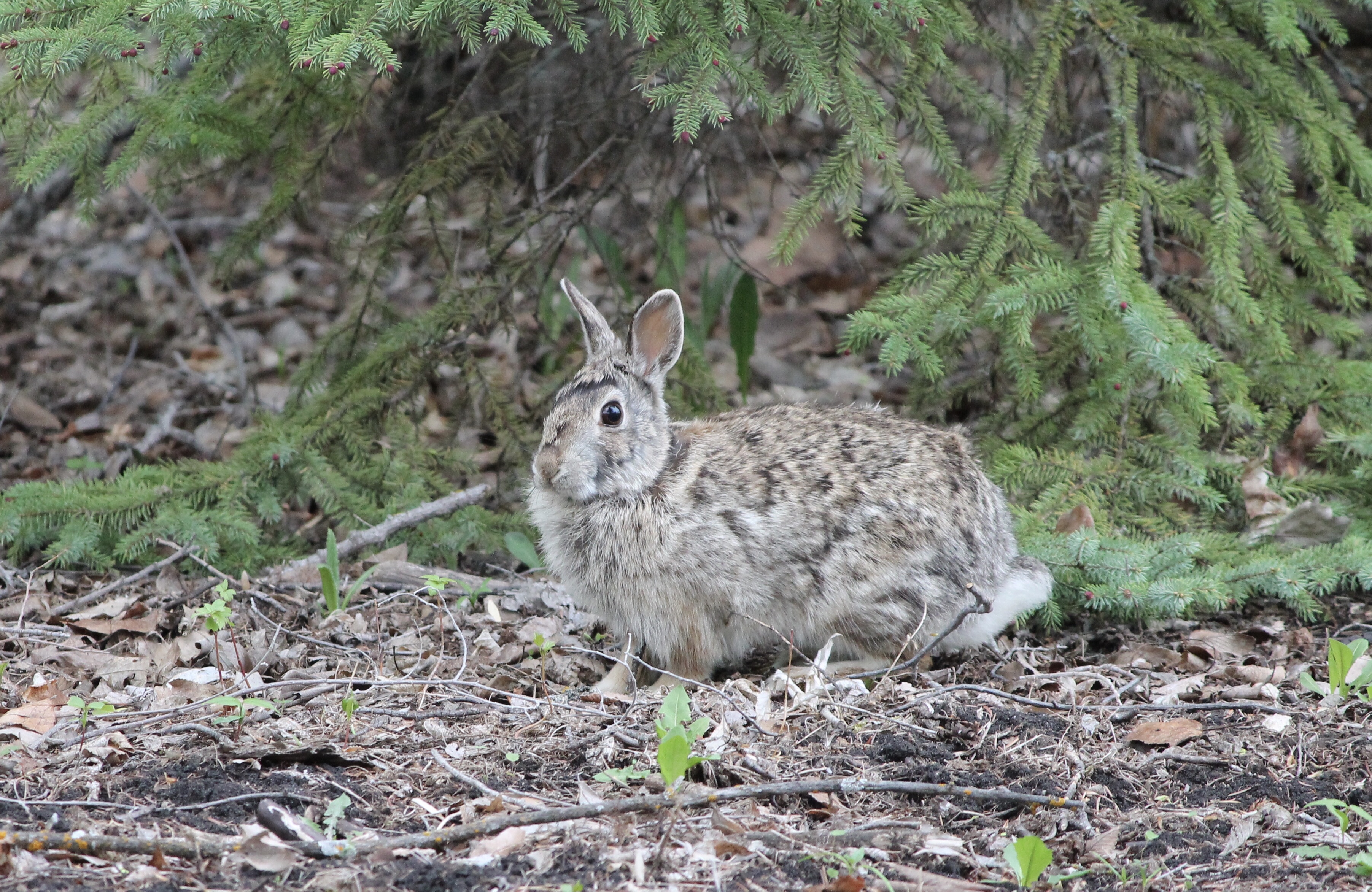
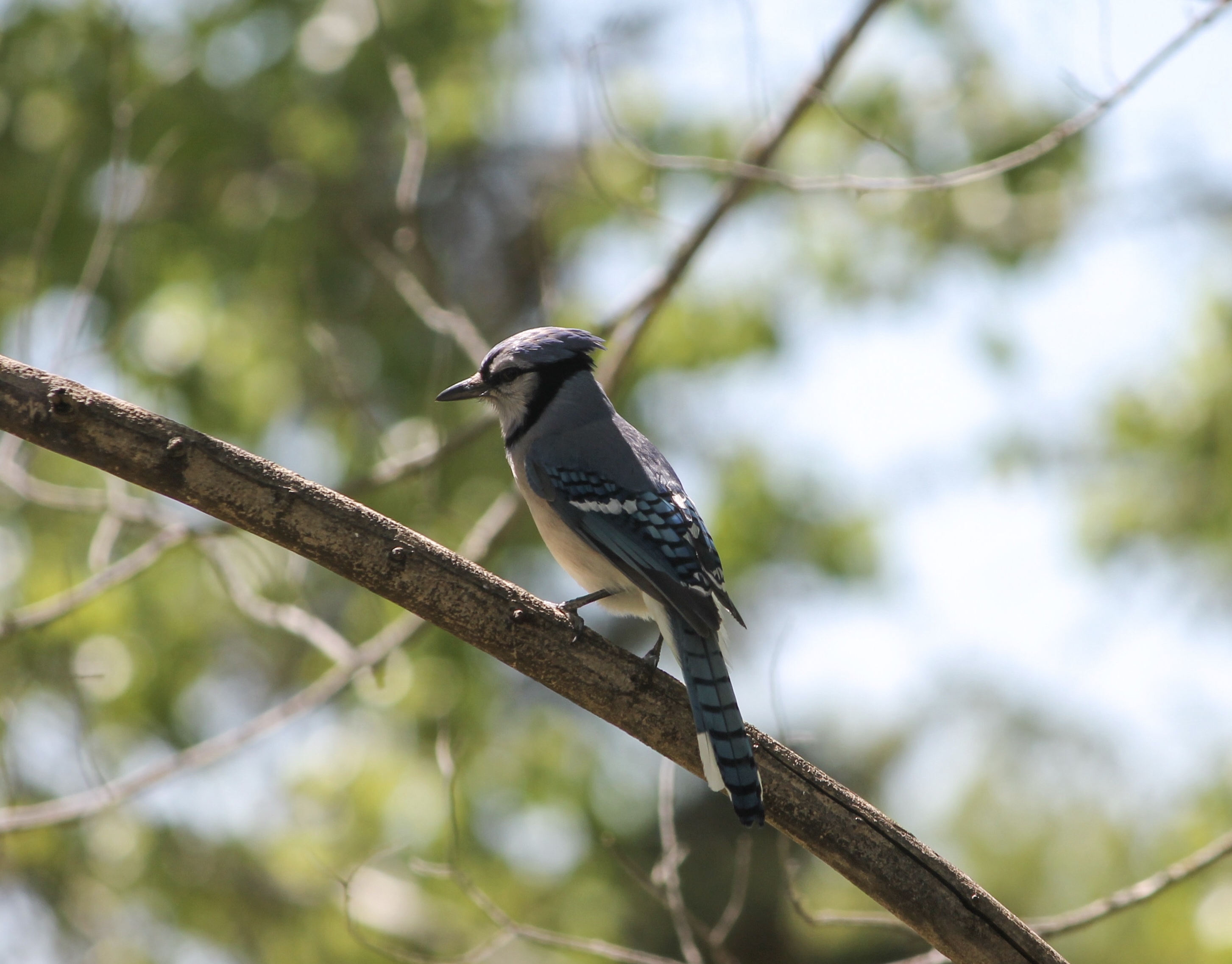
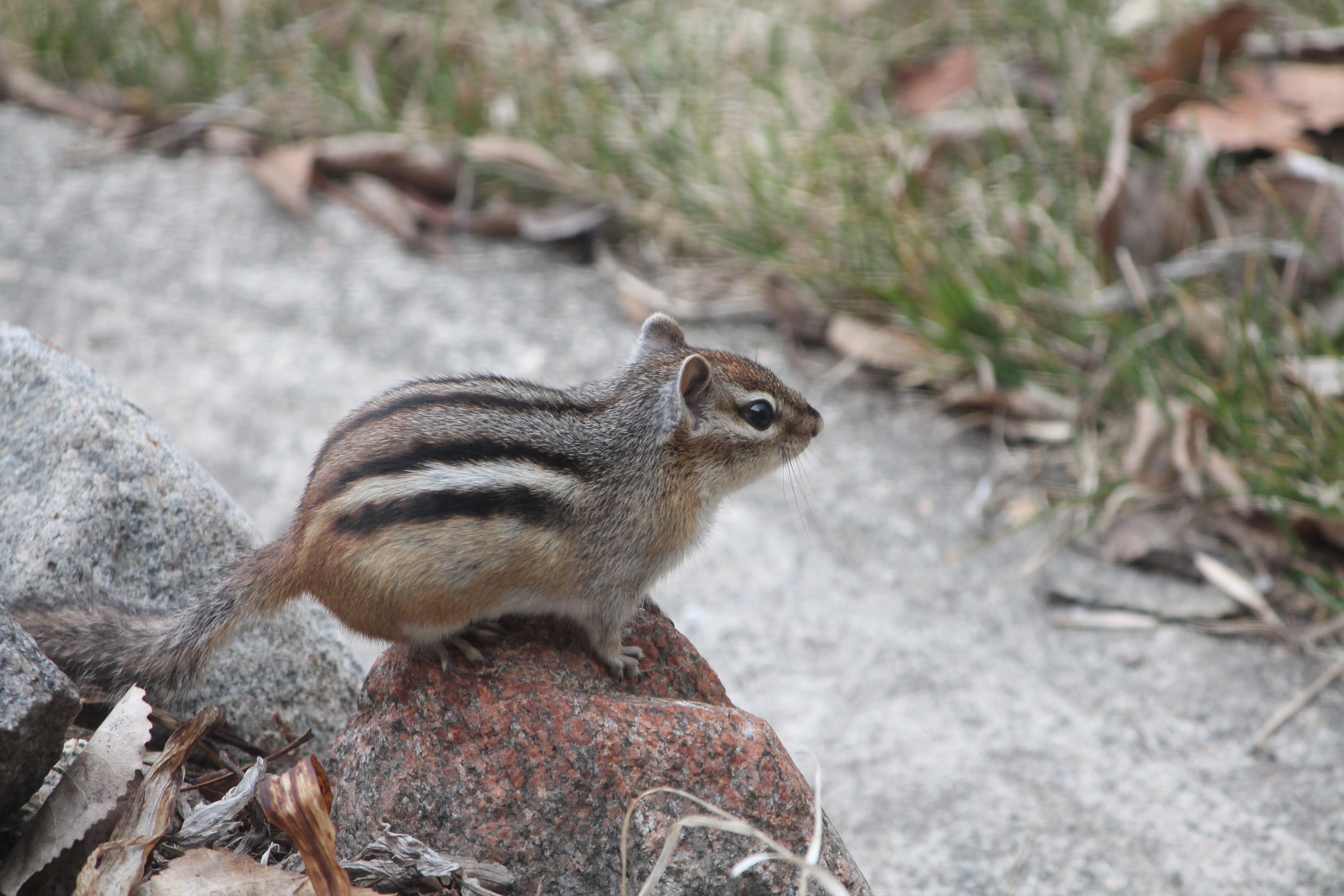
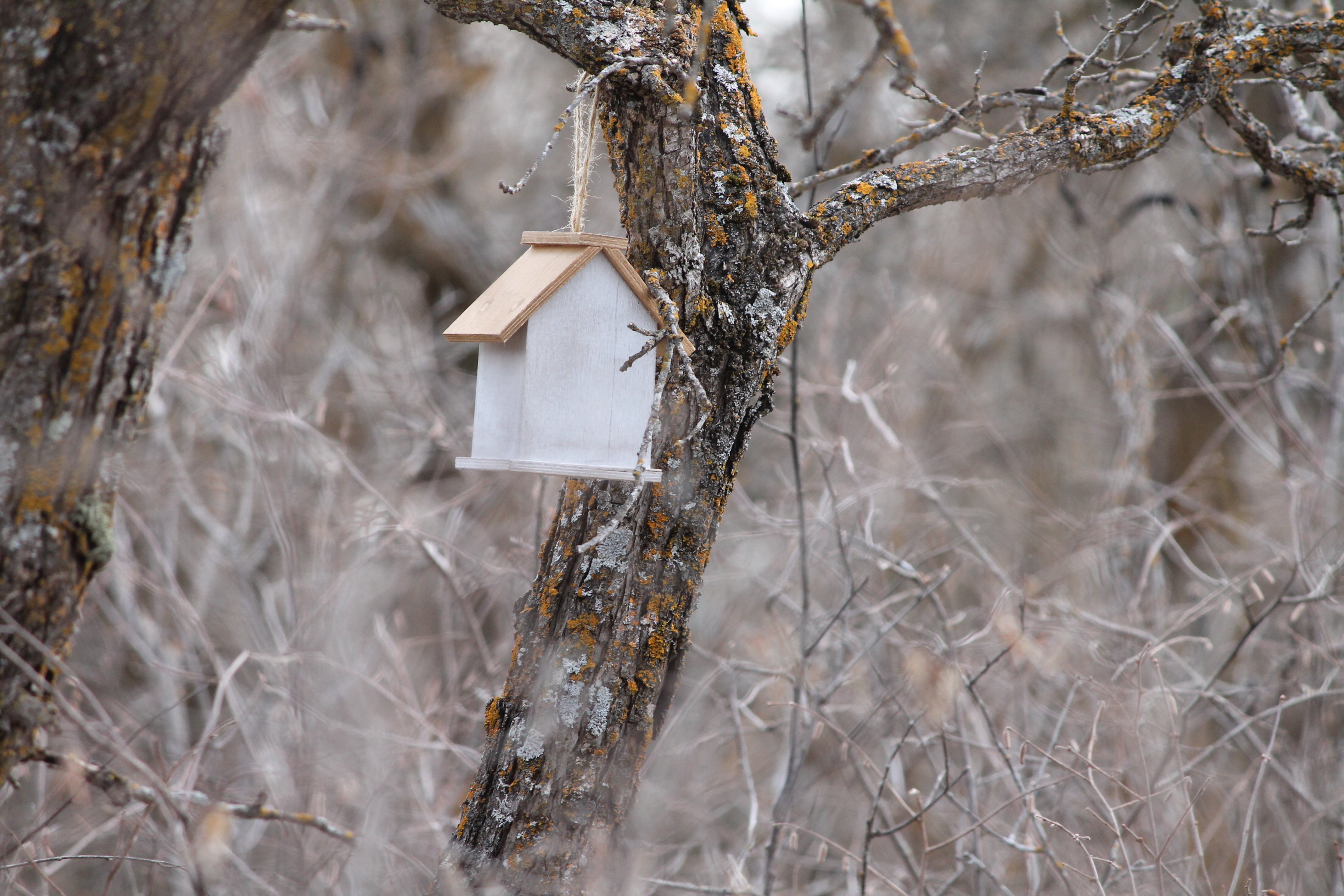
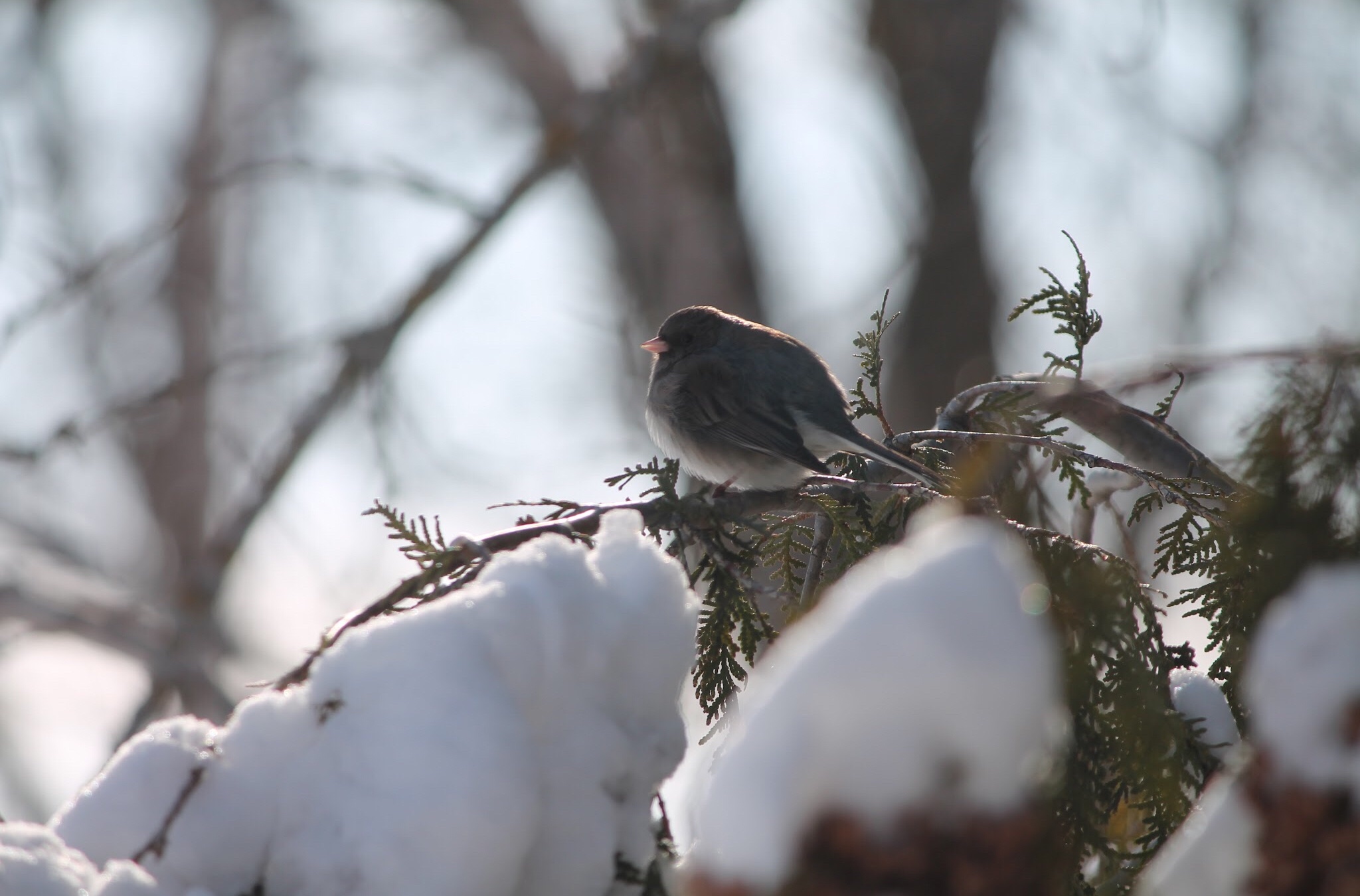
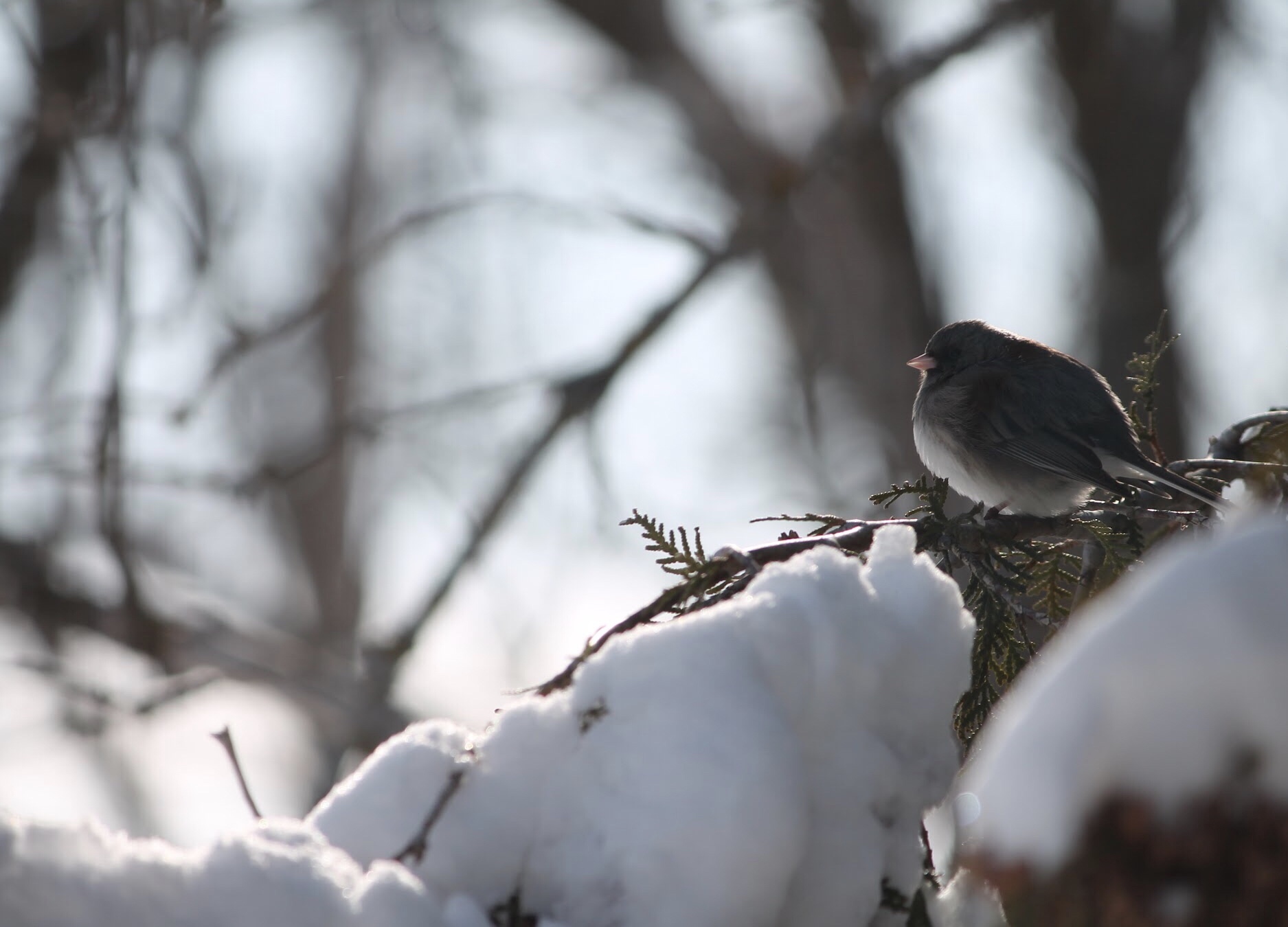
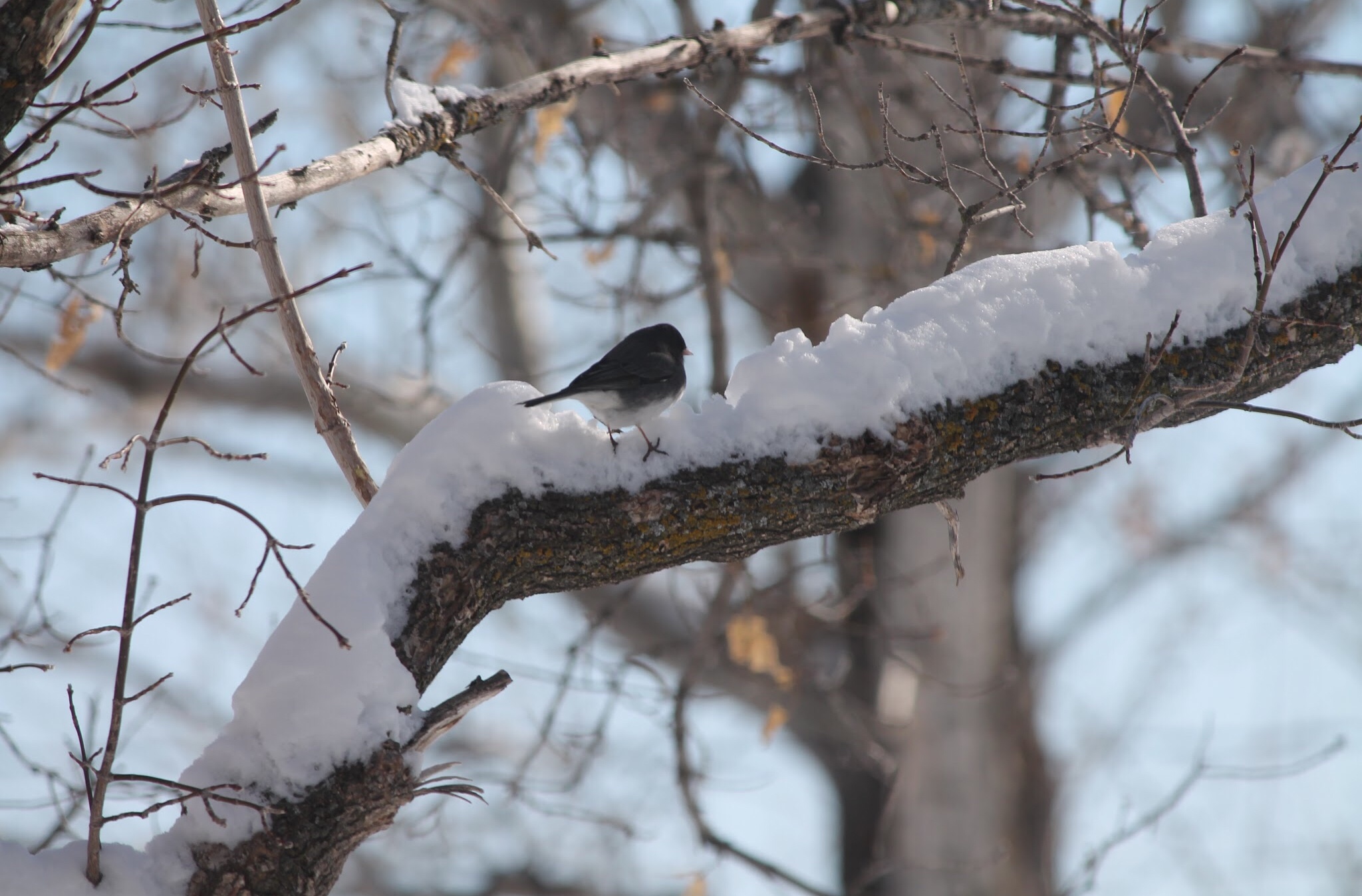
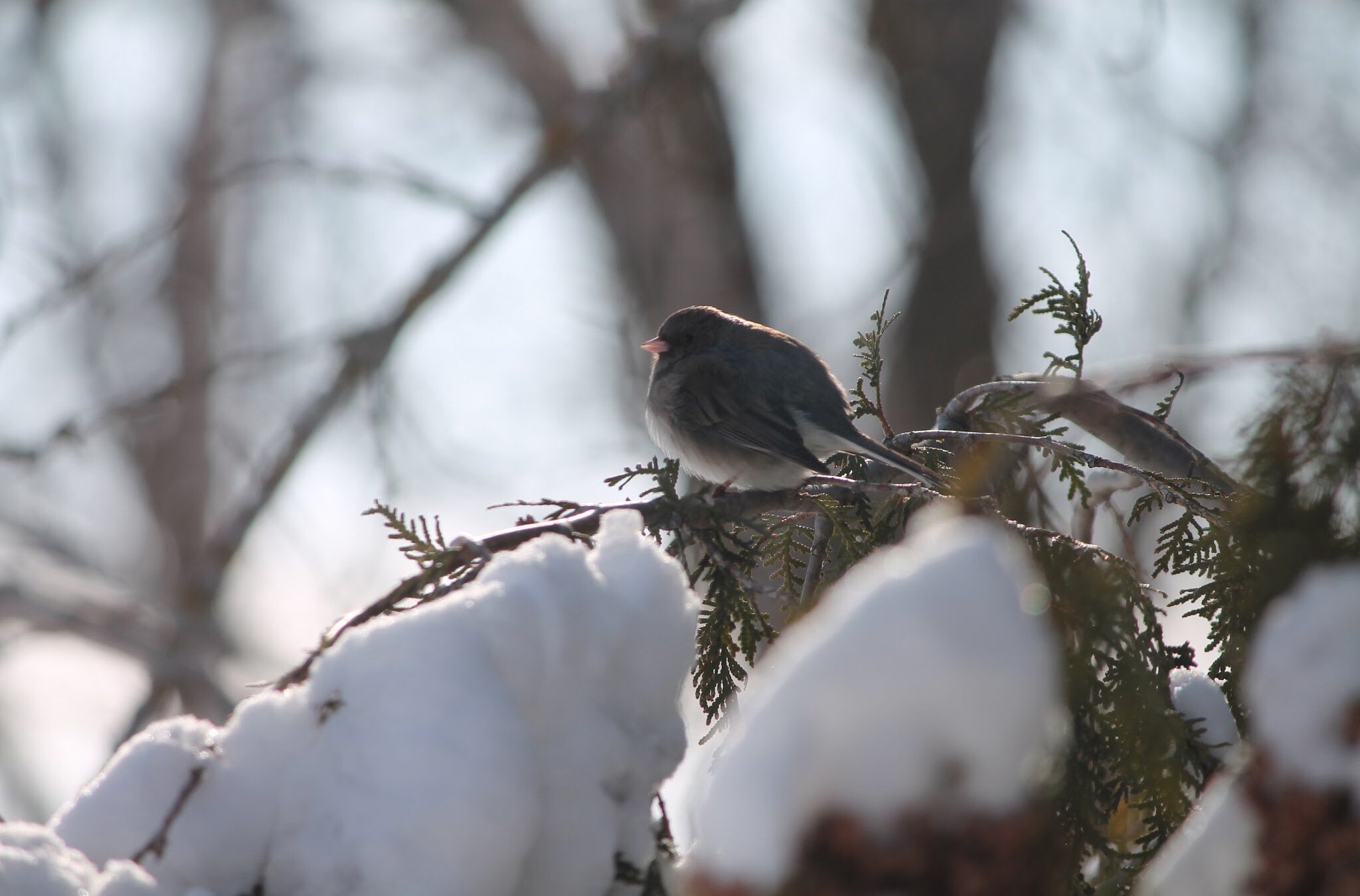
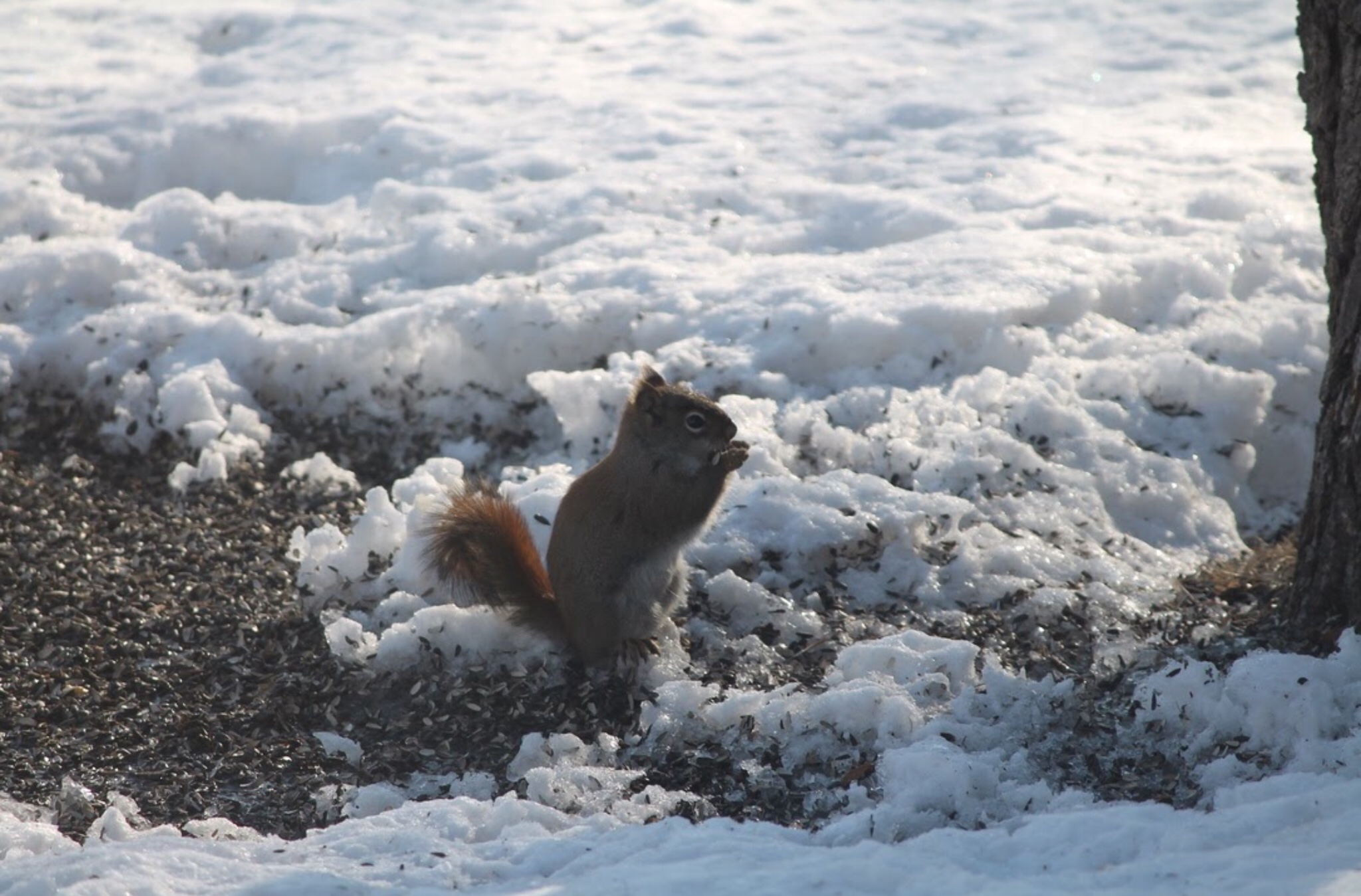
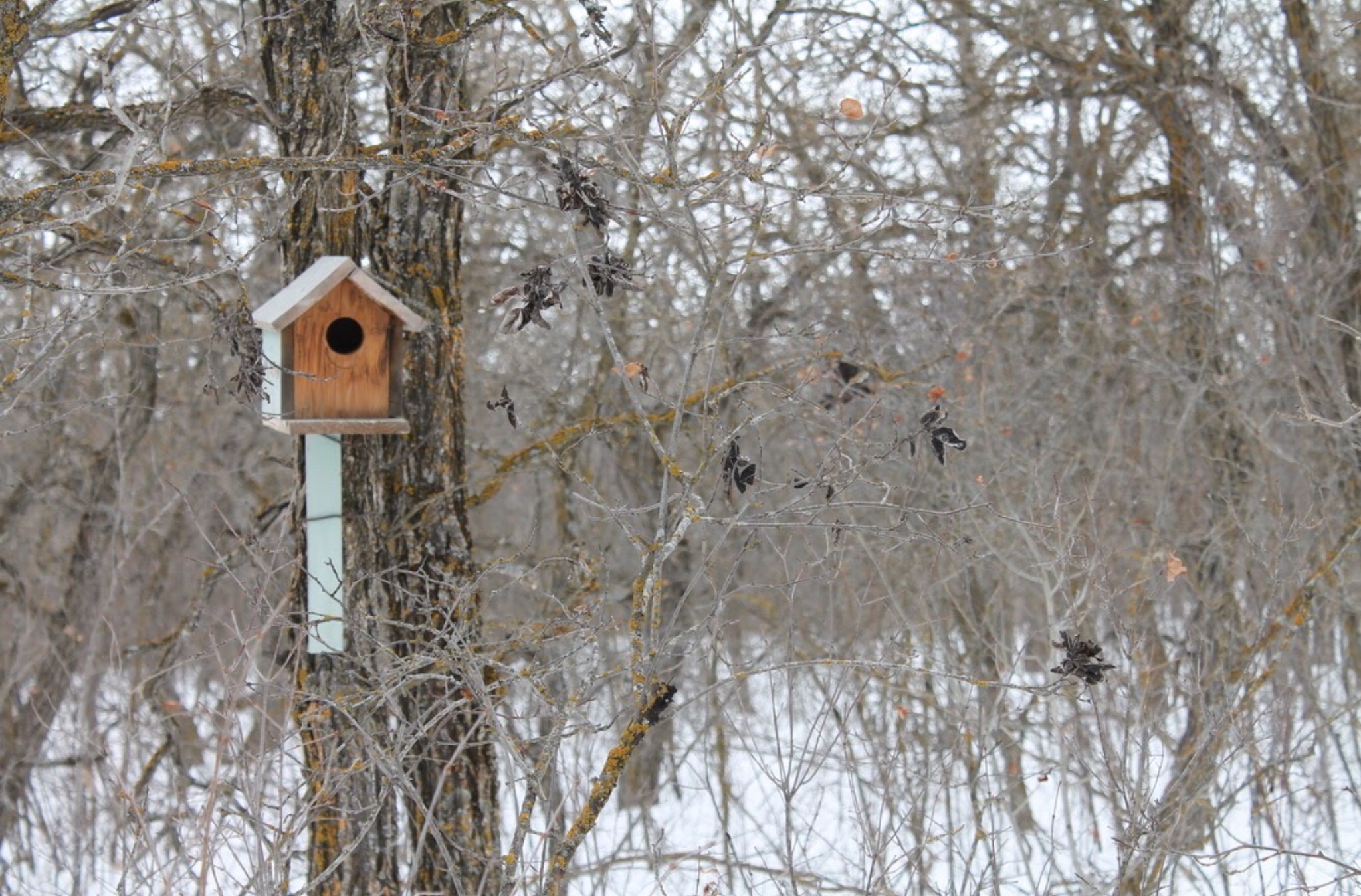
My transformation project is now complete, and I have to say it went better than I thought it would. The pictures I took exceeded my expectations, and I am quite pleased with the shots I was able to take. I was not expecting to be able to get so many great bird pictures, and I had no idea that they would turn out so well. Even the editing looked better than expected. I am not much of an editor, so I did not think that the edited pictures would look a whole lot better than the originals, but they gave the pictures much more clarity and colour that otherwise wouldn’t be there. While taking part in this project, I was also able to greater appreciate God’s creation and the wonderful animals and plants He has created. They are all so different and the details are quite extraordinary. I believe this project greatly related to the Creation-Enjoying Throughline because as I said before, by doing nature photography, I have basically been looking at and studying creation for the duration of this project. One of my favourite verses that speaks about God’s creation is Job 12:7-10, which says:
7
“But ask the animals, and they will teach you,
or the birds in the sky, and they will tell you;
8 or speak to the earth, and it will teach you,
or let the fish in the sea inform you.
9 Which of all these does not know
that the hand of the Lord has done this?
10 In his hand is the life of every creature
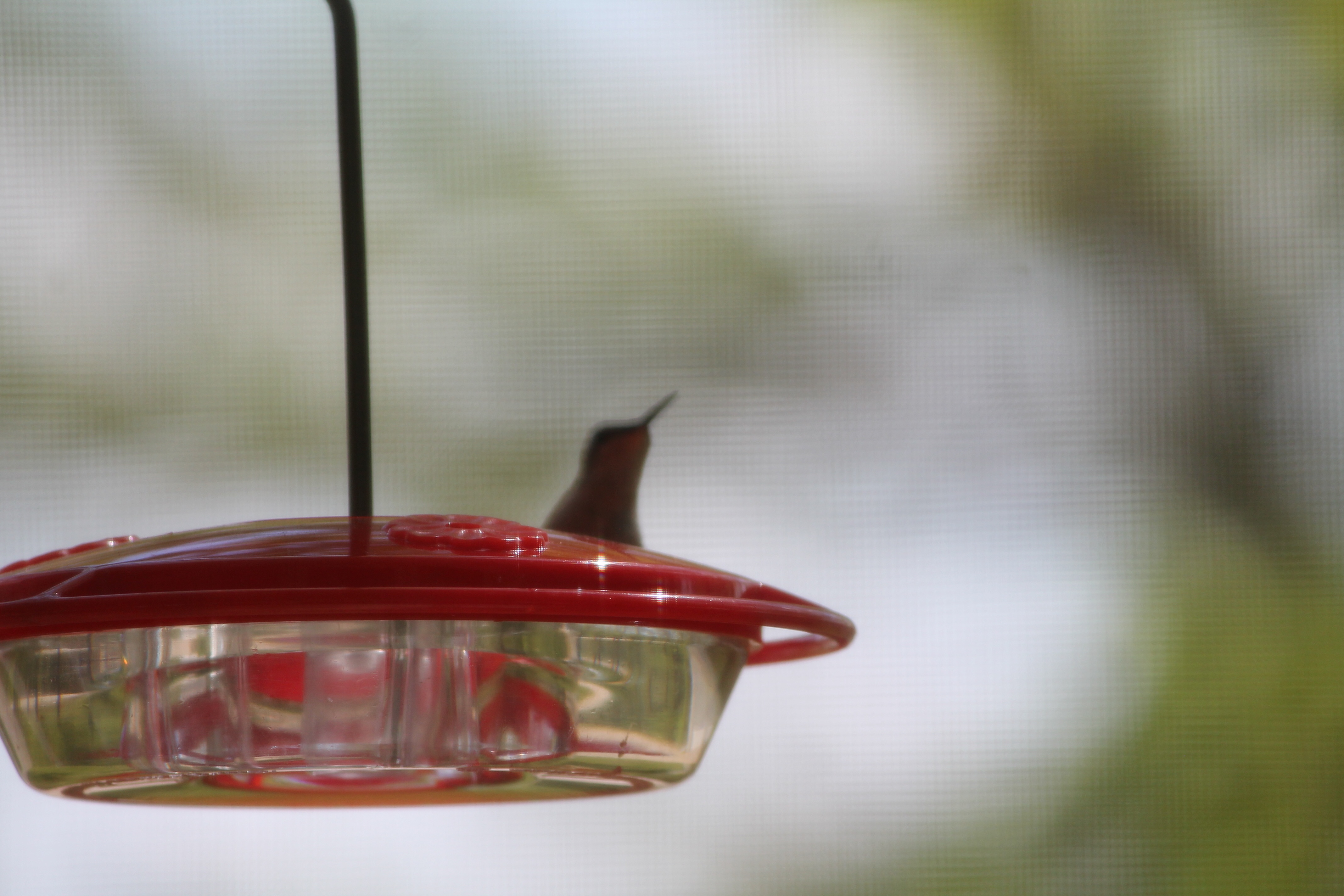
and the breath of all mankind.” Although this project did go super well, it still had its challenges. The hardest part about this project was finding something to photograph. I ended up taking many pictures of birds, but the birds weren’t just sitting there waiting for me to take their picture. As I said in an earlier post, there were many times when I was about to take a picture, and the bird flew away. This was the most problematic with the hummingbird. It took me close to a week to get a good picture of a humming bird. I would try every day to get a picture, and yet it would always fly away before I could take a photo of it. But, because of all that work, it was even more rewarding to finally get a good picture. Overall, I was really happy with how this project went, and was super pleased with the resulting pictures.
Hummingbird

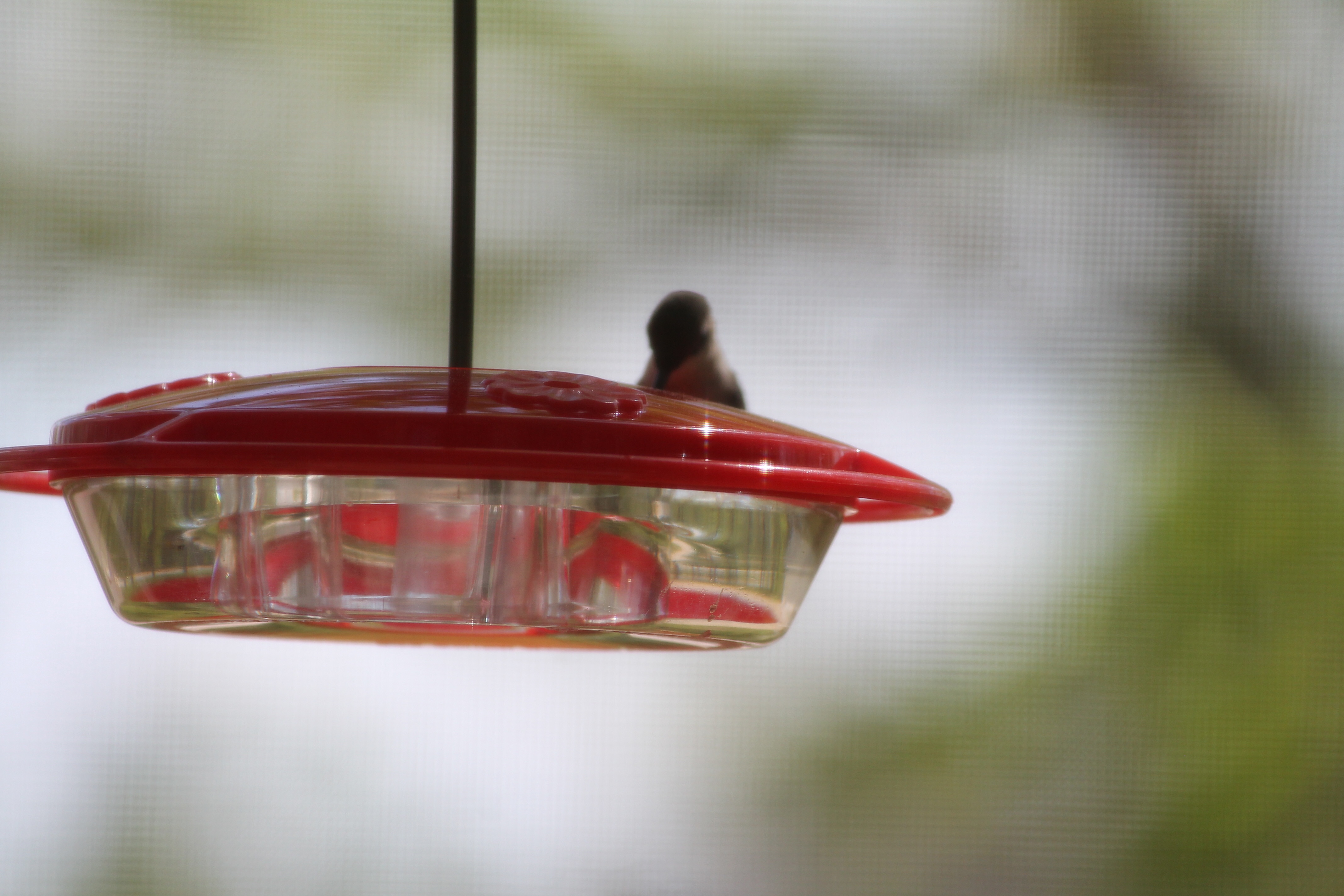
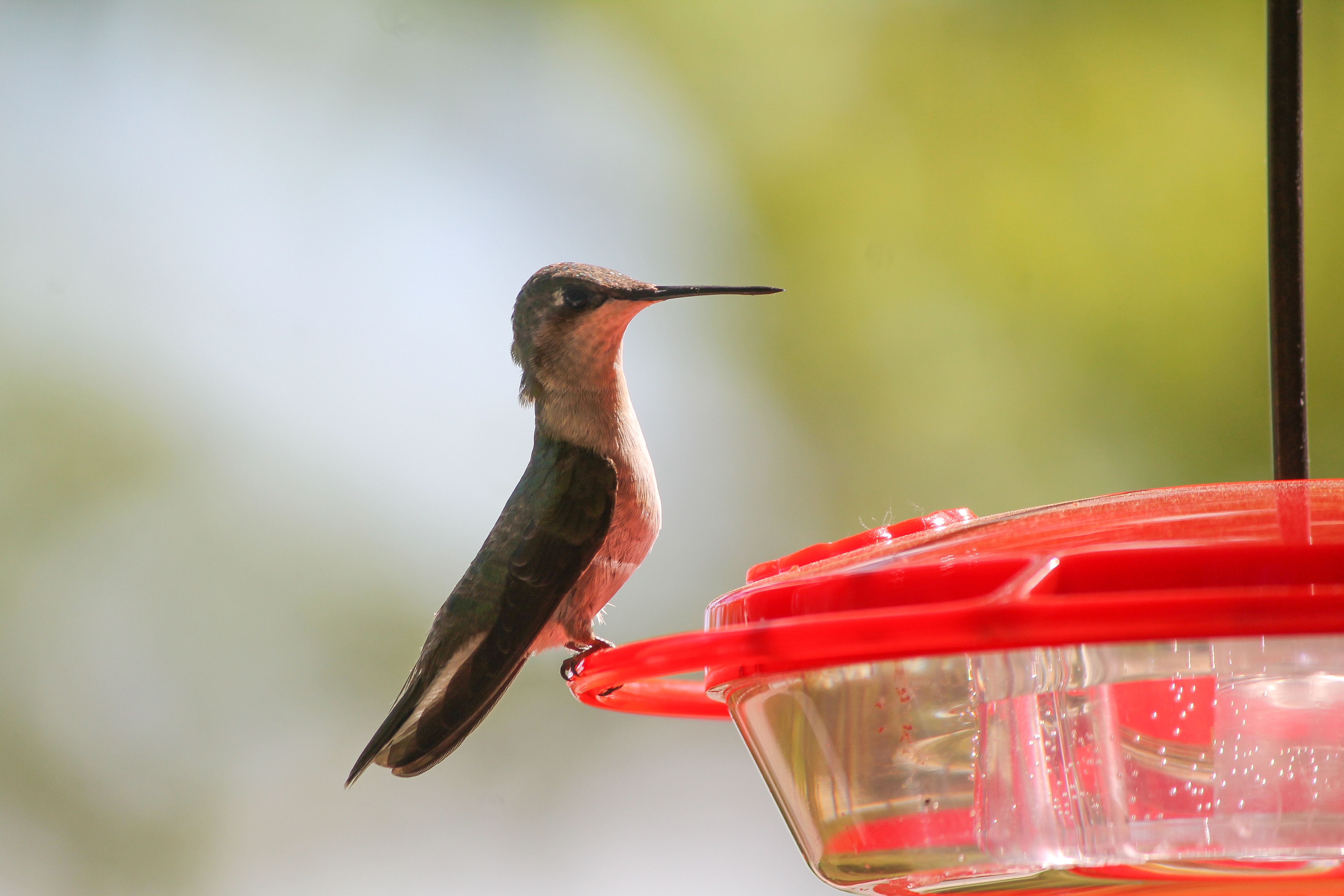
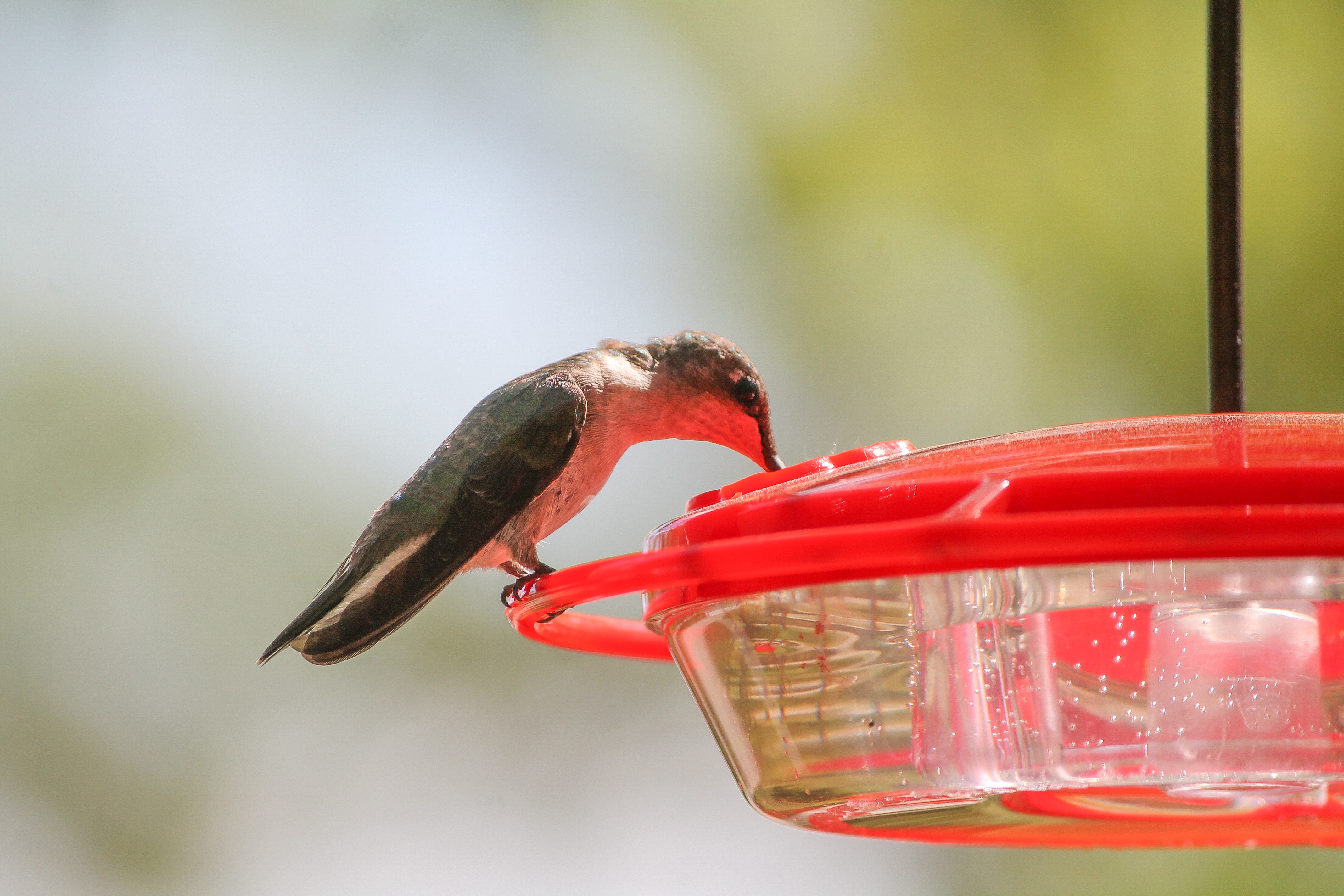
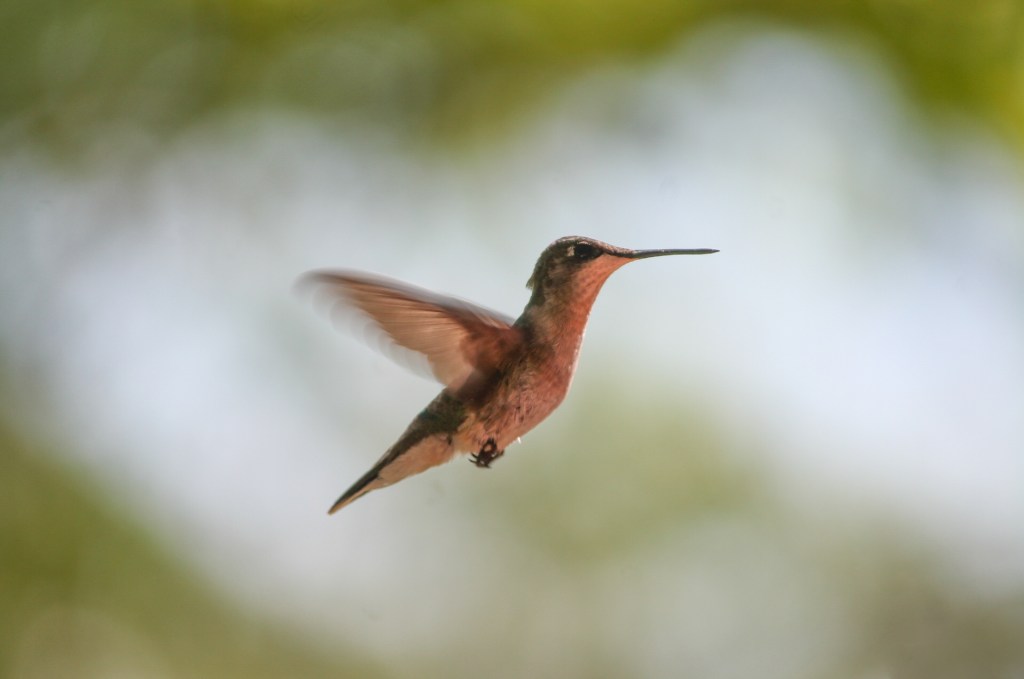
A couple weeks ago, hummingbirds started coming to our feeder, and ever since then I have been trying to capture them in a photo. My first few attempts were quite poor because my camera was focusing on the feeder and not the bird. I kept at it, and I eventually got a couple good pictures of the hummingbird. They were slightly shadowy, so I did edit them a little, but here is the difference between my first and latest attempts at photographing a hummingbird:

My latest hummingbird pictures

Flower Setting

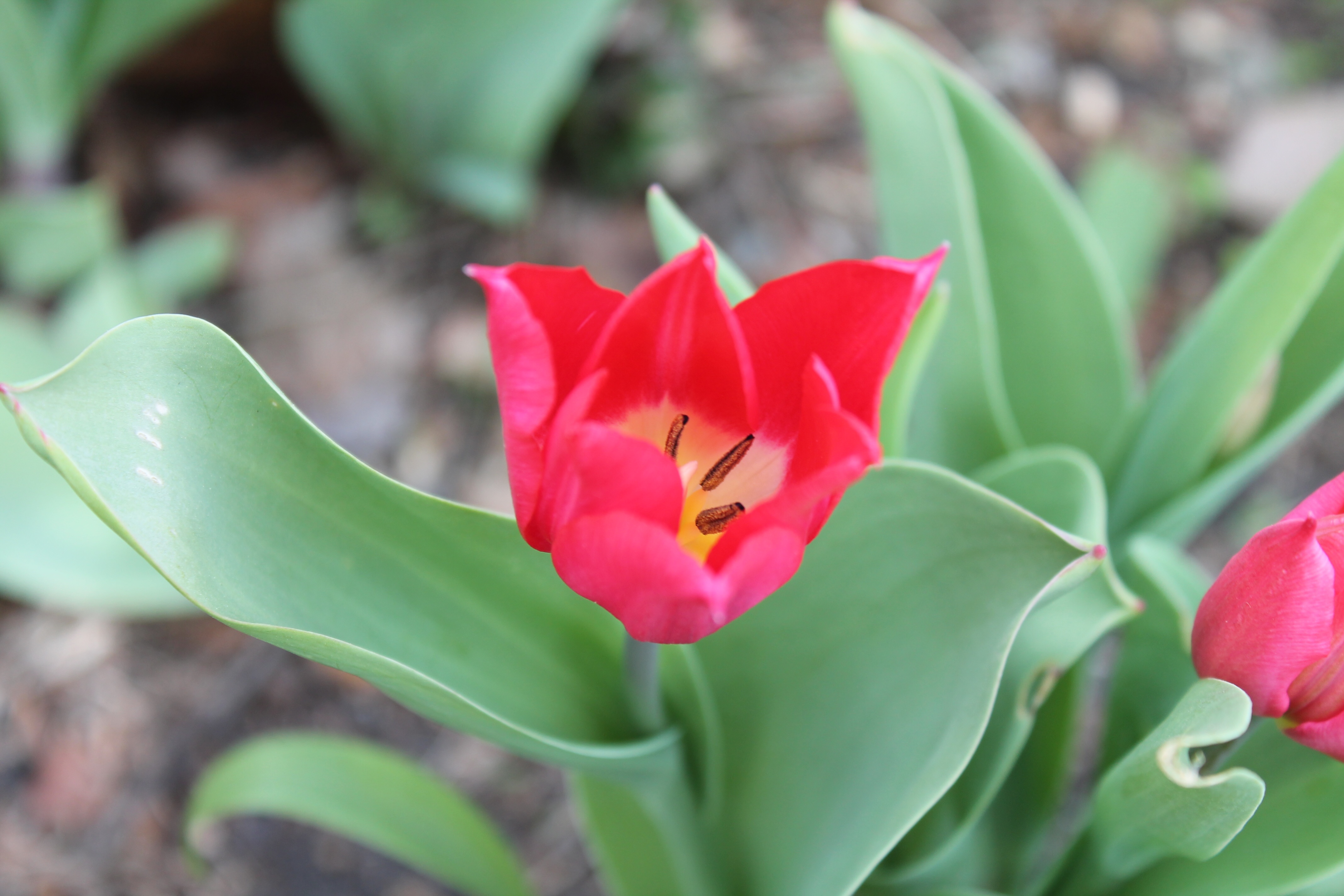
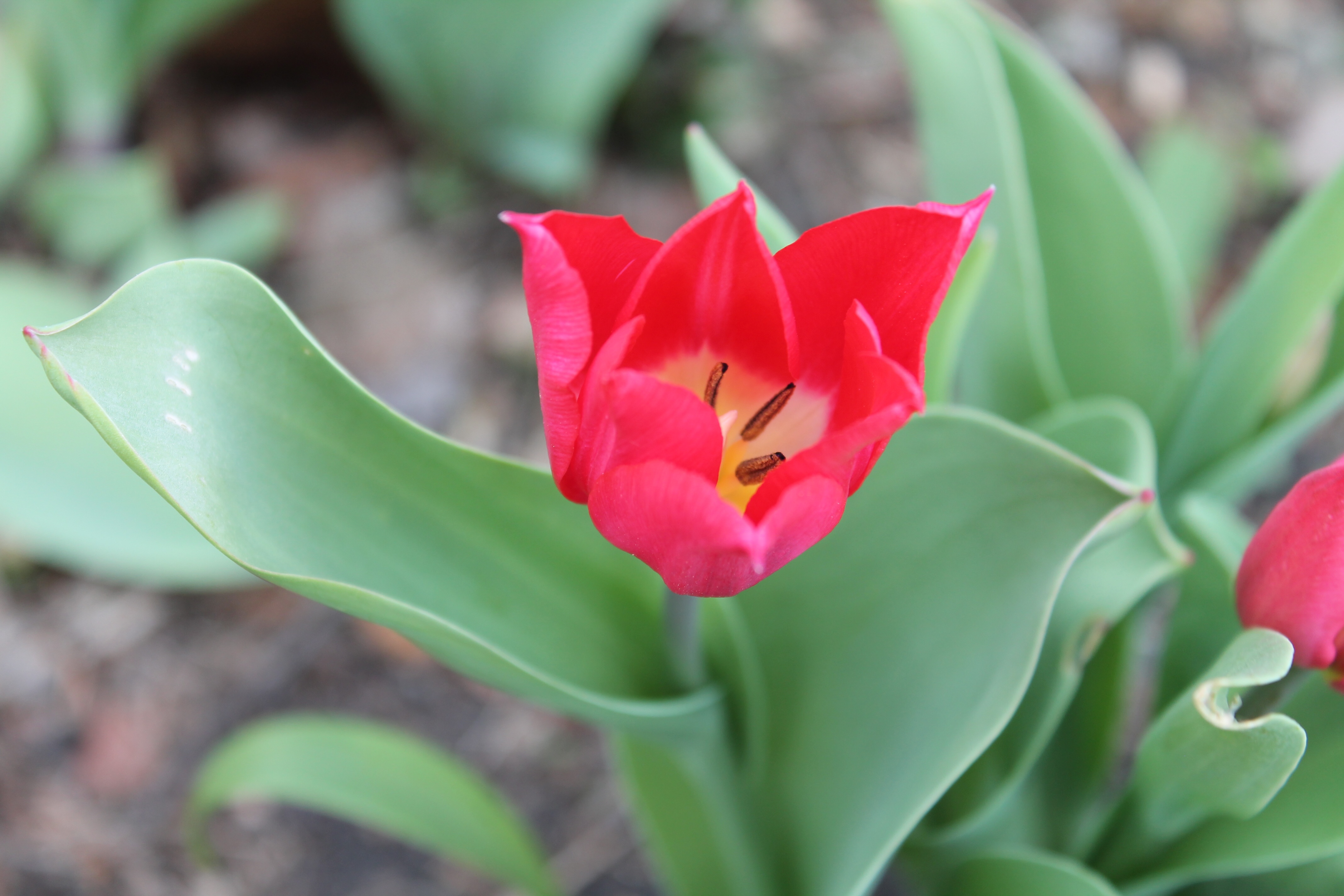
I have a couple of tulips blooming in my front yard, so I thought it would be a good time to try out a different setting on the camera. There is a setting you can turn to that has a little picture of a flower and is supposed to make super close-up photos clearer and more detailed. I tried it out, but was quite underwhelmed by the result. Personally, I can see very little difference in the two photos, maybe just a slight difference in clarity and sharpness. Maybe you can see a bigger difference than I can:

Oriole

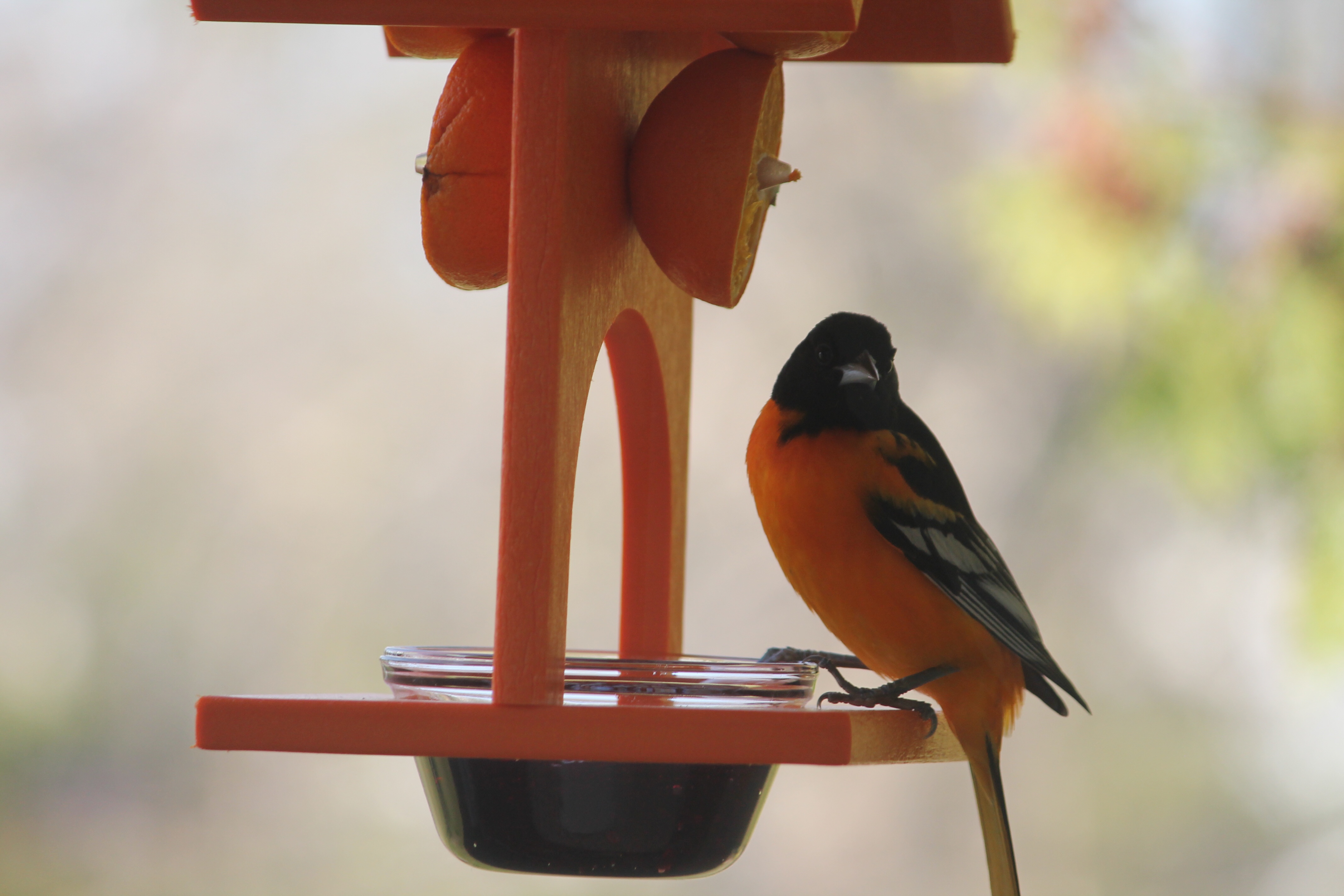
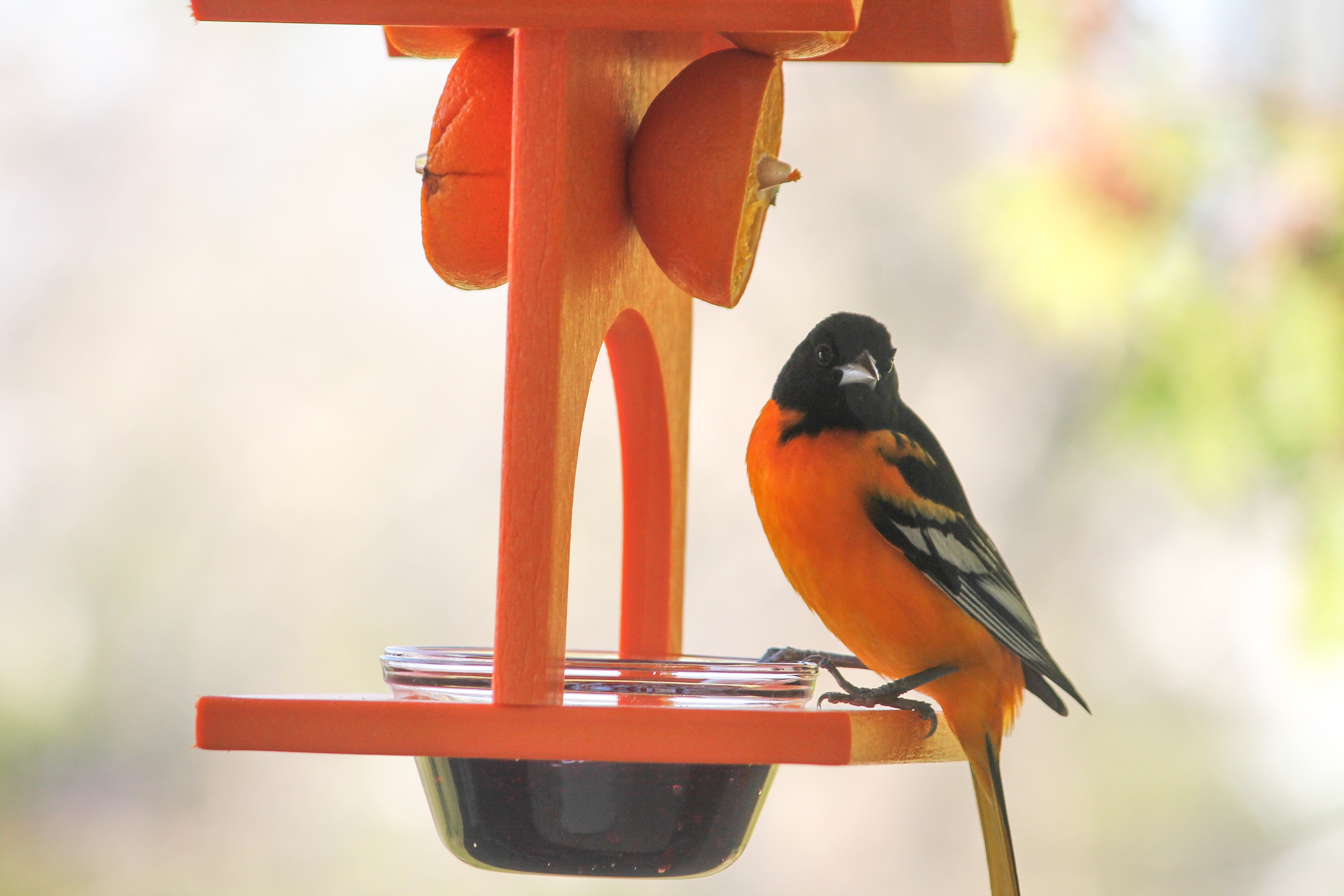
My family recently got an oriole feeder, and I was lucky enough to be able to get a picture of an oriole eating at the feeder. Unfortunately, the picture had a lot of shadows, and was quite dark, so I decided it was a good time to try to edit another photo. I was quite pleased with the result, as the edited photo appears much brighter and sharper. Here it is:

Patience

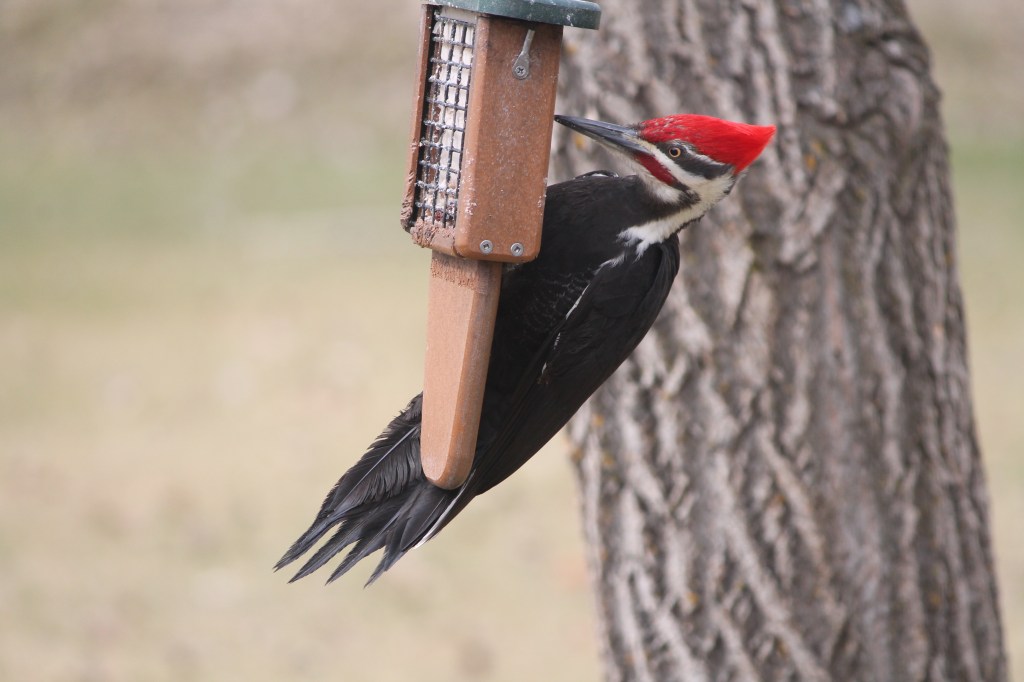
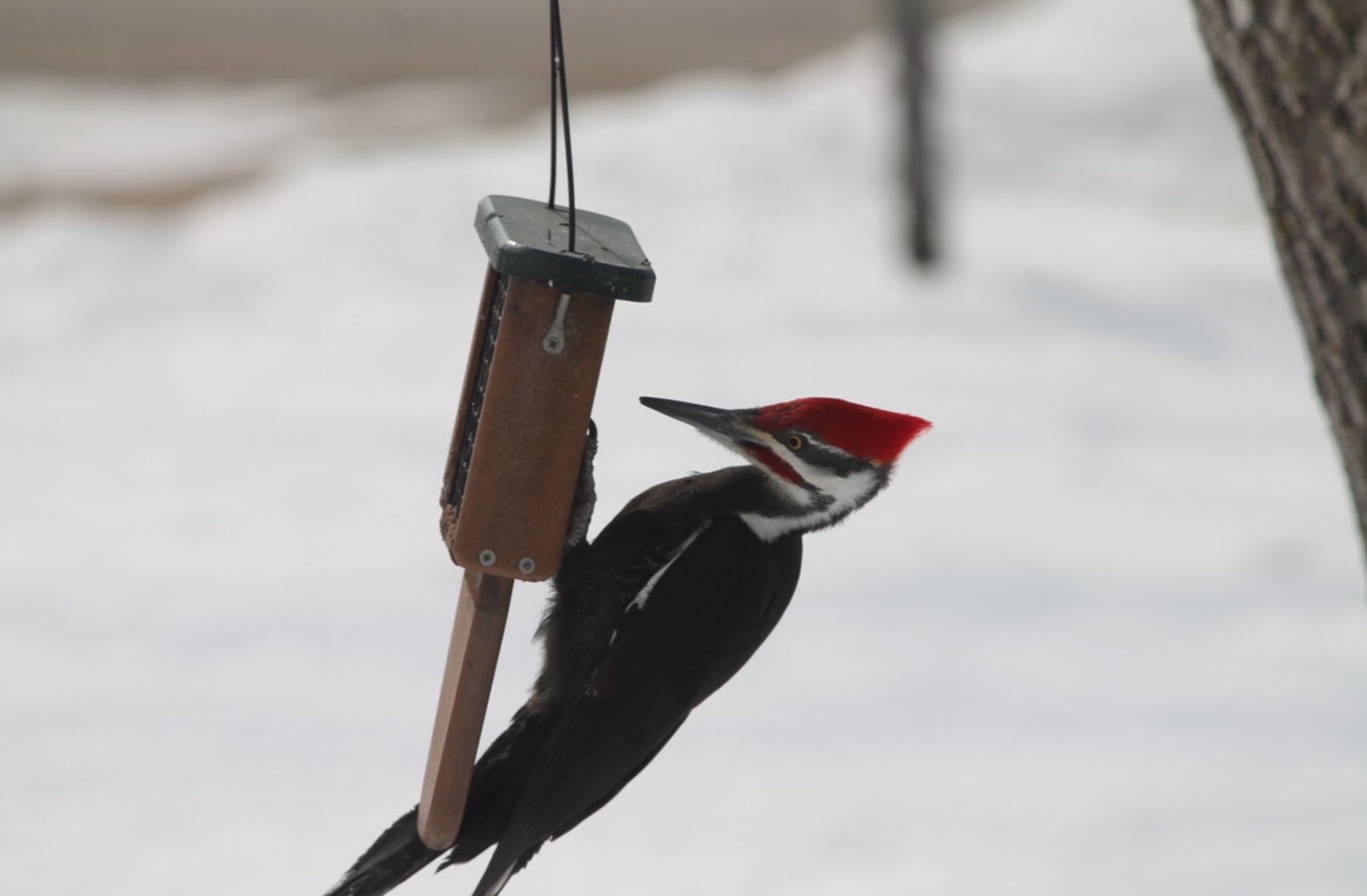
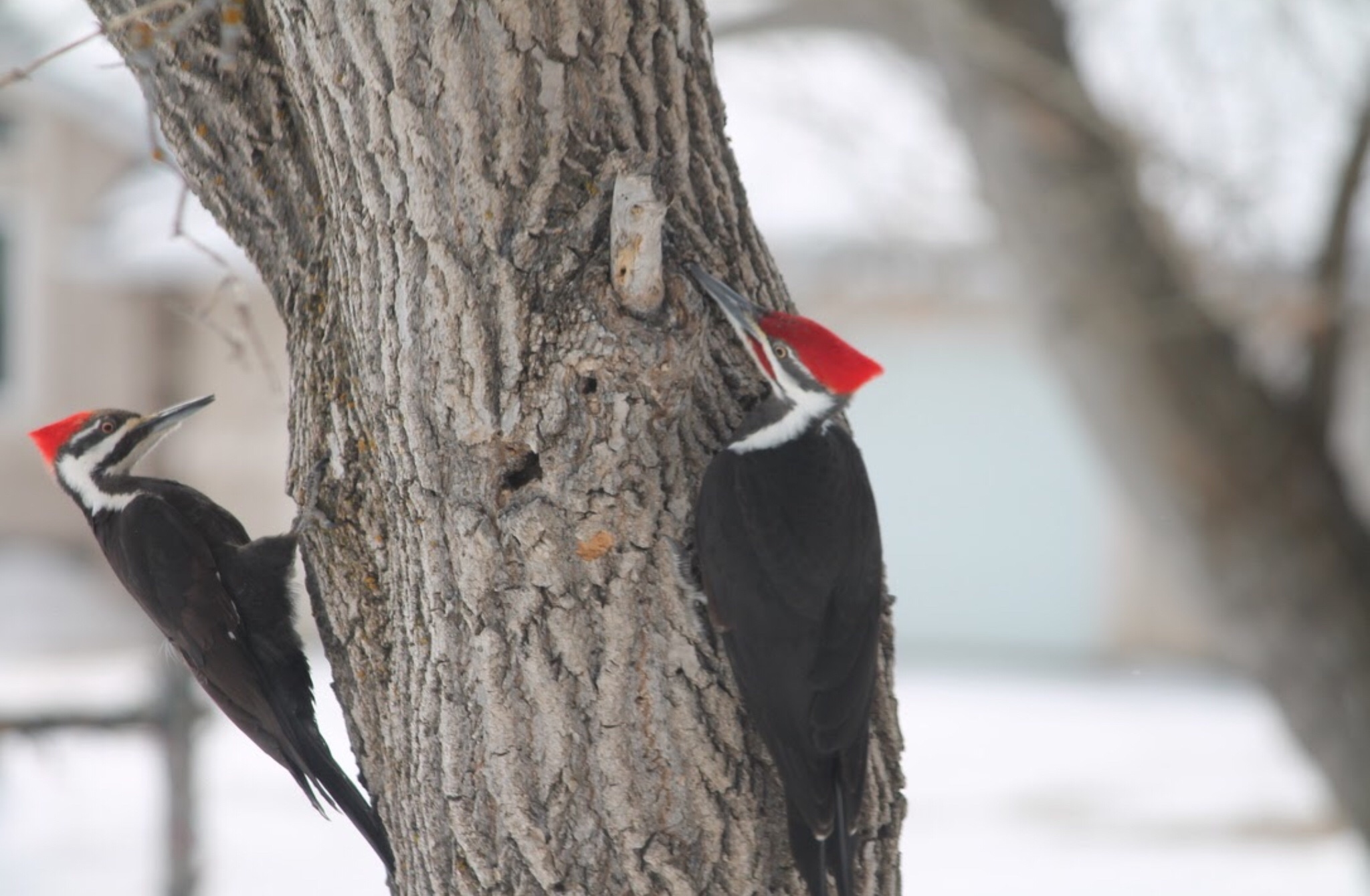
Something I have learned over the last couple months of doing this project is that photography requires quite a bit of patience. Birds and animals aren’t going to stand in one place for you so you can photograph them. You need to be ready to get out your camera the minute you see something you want to photograph. Of course things like plants aren’t going anywhere, so you can take your time, but taking pictures of animals can be quite frustrating. There are times when I see an animal I want to take a picture of, but by the time I have my camera out and ready, it has already flown or ran away. There are also instances when you get your camera out to take a picture, but since you’re rushed, you don’t take the best shots, and by the time you realize it, the animal is already gone. This happened to me recently with a pileated woodpecker. I have gotten some good shots of this bird previously, but with this last picture, I wasn’t able to centre my photo, and I accidentally cut off part of the bird feeder. These are just some of the reasons that I have realized that photography takes a lot of patience. Here is the picture where I accidentally cut off some of the bird feeder (at least I got the whole bird):

Editing

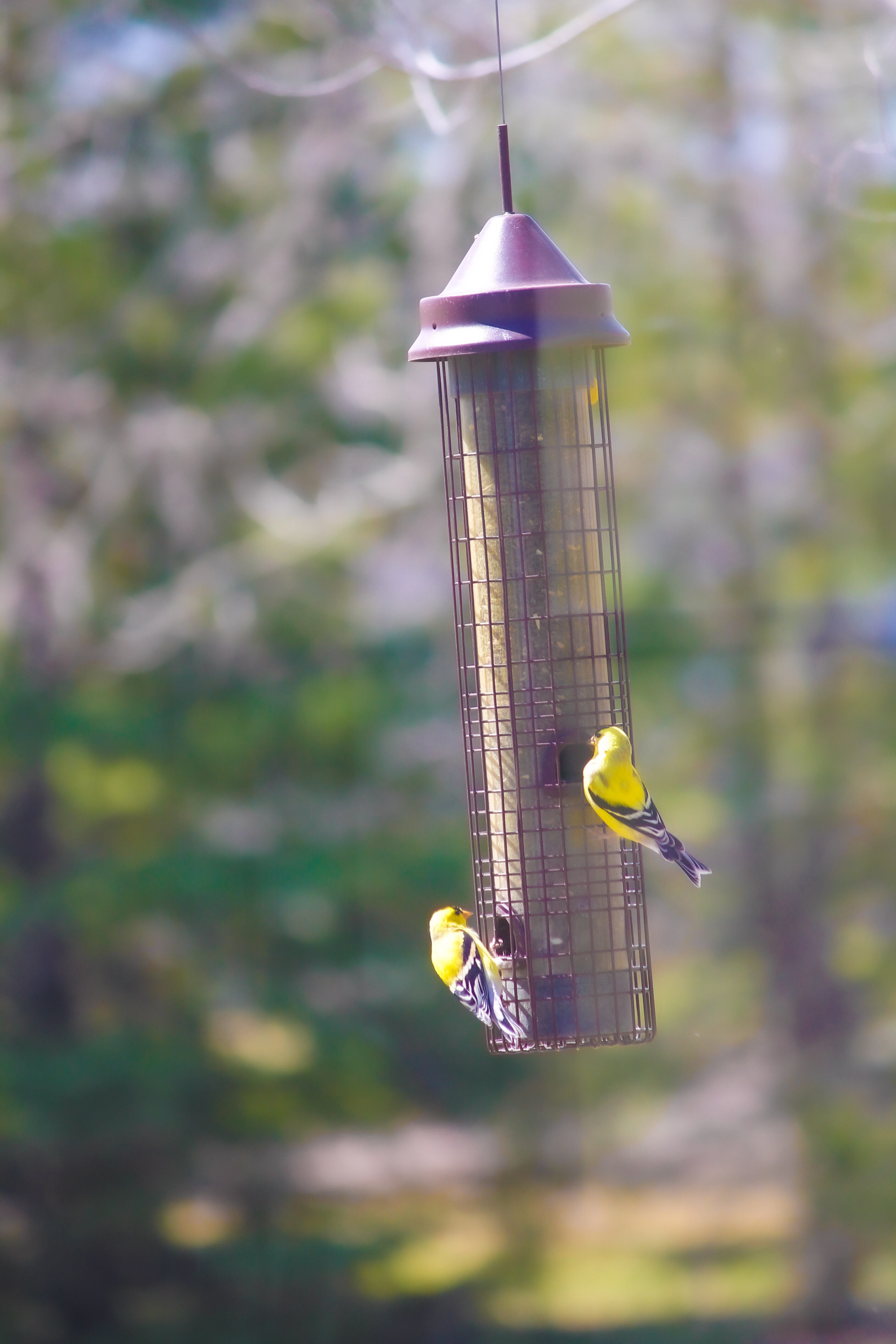
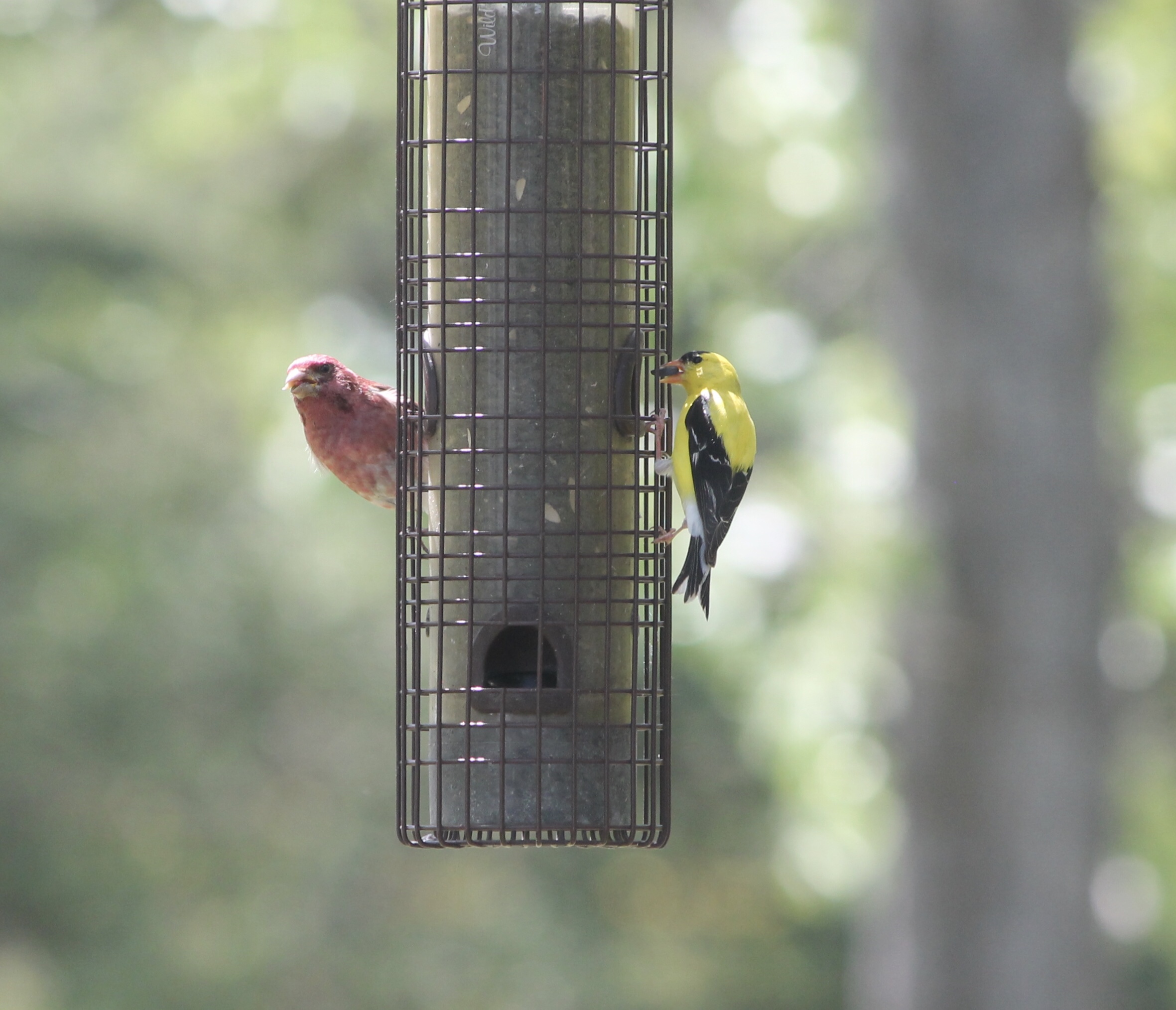
I recently took a photo of a couple of goldfinch’s at my feeder at home, and decided to try editing it. The picture by itself was not extremely colourful, and was kind of dull, so I tried to make it more vibrant. Surprisingly to me, it actually looks better than I expected, and I may try doing this again soon, if I feel one of my pictures lacks some definition. Here are the results:

The Rule Of Thirds

While reading about how to take better nature photos on https://contrastly.com/breathtaking-nature-photos/, I came across a trick that I had heard about before, but hadn’t tried out very much. I read about the rule of thirds. This tip says that instead of taking photos with the subject in the dead centre of the frame, it is often effective to have the subject somewhere on the side of the frame. It’s like you split the frame into three sections, and try to take a picture with the subject in one of the side sections instead of the middle one. I tried out this trick with one of the photos I posted earlier, and was pleased with the result. Here it is:

Design a site like this with WordPress.com
Get started